There was a time when every home had a larder. Not a pantry. Not a cupboard with a few tins. But a dedicated space designed to store, preserve, and protect food.
Today, the word feels old-fashioned — almost forgotten. Yet quietly, families across the world are rediscovering it.
So what exactly is a larder?
The Original Meaning of a Larder
The word larder comes from the Old French word “lardier”, meaning a place to store bacon or cured meats.
Historically, a larder was:
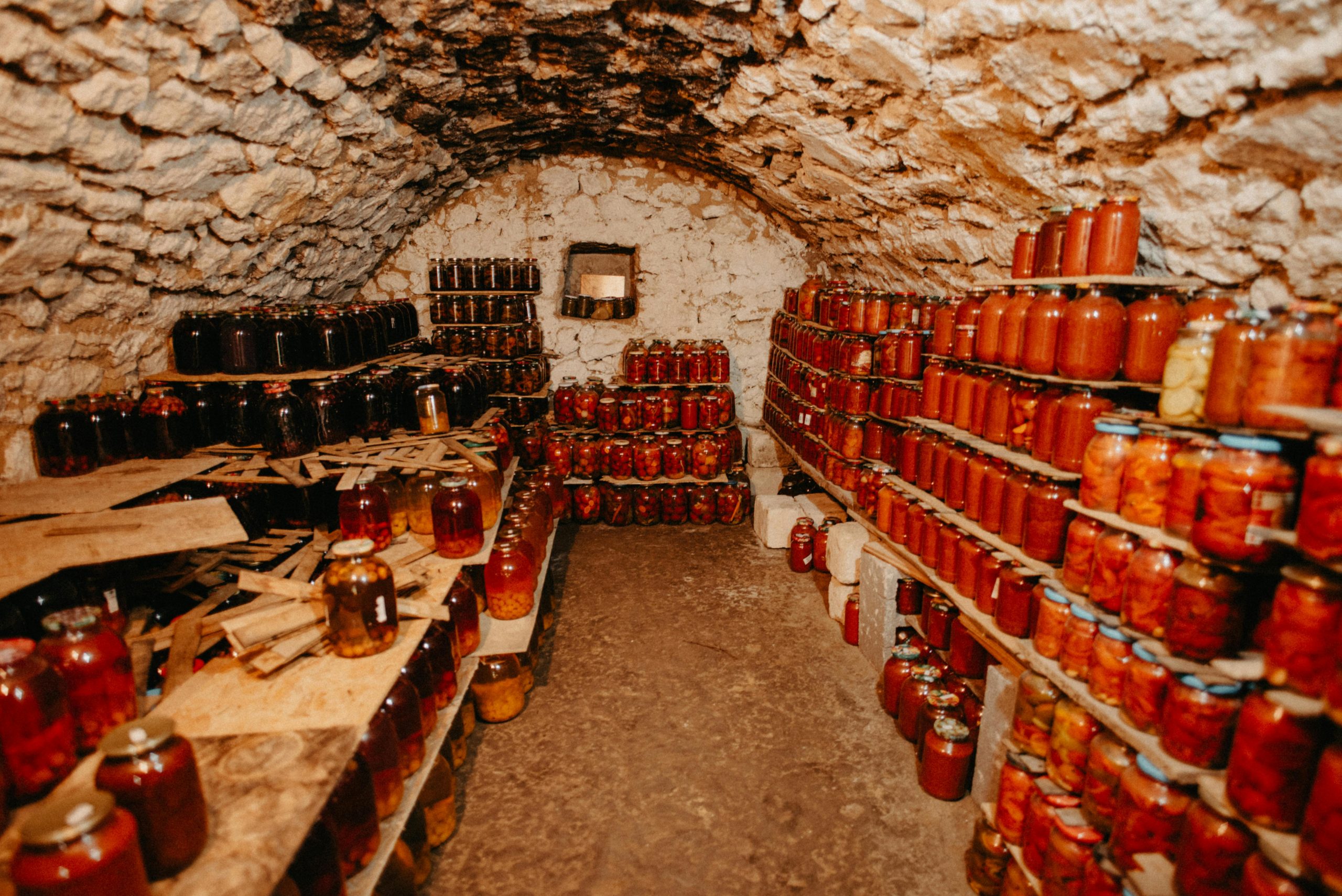
- A cool room in the house
- Often built with stone walls
- Positioned on the north-facing side to stay cold
- Designed to store cured meats, dairy, preserves, and dry goods
Before refrigeration, the larder was essential. It was how families preserved food safely through the seasons.
It wasn’t decorative.
It was practical.
It represented preparation, stewardship, and provision.
Larder vs Pantry: What’s the Difference?
Many people use the words interchangeably — but traditionally, they weren’t the same.
A pantry stored dry goods like flour, grains, and bread.
A larder stored perishable items that needed cool conditions — cured meats, butter, cheese, preserves, and bottled goods.
Today, modern homes combine the two. But the philosophy behind a larder goes deeper than storage.
It’s about intention.

Why the Larder Is Making a Comeback
Across the world — and especially in places like South Africa where food prices continue to rise — families are returning to traditional food skills:
- Bulk buying
- Canning and bottling
- Drying herbs
- Fermenting vegetables
- Storing seasonal produce
A larder is no longer just a room.
It’s a system.
It’s a mindset of:
- Preparedness
- Resourcefulness
- Reducing waste
- Feeding your family well
And in uncertain economic times, a well-stocked larder brings something money can’t buy: peace of mind.
What Does a Modern Larder Look Like?
You don’t need a stone-walled room.
A modern larder can be:
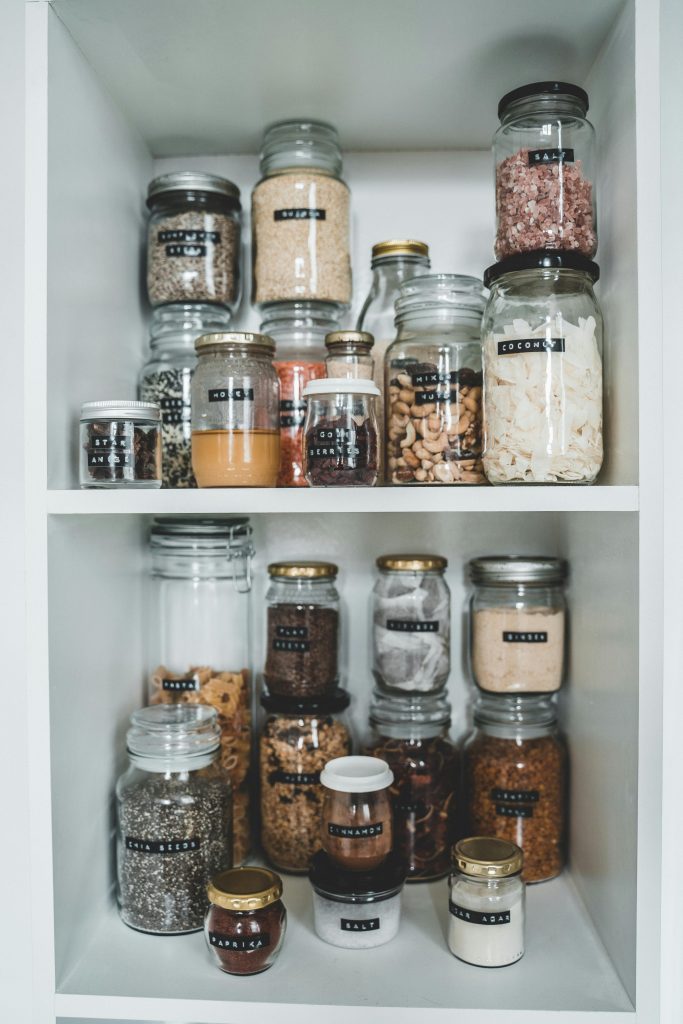
- A dedicated shelving unit
- A converted cupboard
- Glass jars lined neatly on open shelves
- A section of your kitchen reserved for preserved foods
- Even labelled baskets in a small apartment
The heart of a larder is not size.
It’s intention.
The Philosophy Behind the Larder
A larder represents something deeper than food storage.
It says:
We plan ahead.
We value nourishment.
We respect seasons.
We steward what we have.
In many ways, rebuilding the larder is part of rebuilding the home.
And perhaps that’s why so many families feel drawn back to it.
Starting Your Own Larder
If you want to begin, start simply:
Choose one shelf.
Add three staple dry goods.
Add one preserved item (jam, chutney, pickles).
Label everything.
Build slowly.
A larder isn’t built in a day.
It’s built over seasons.
Final Thoughts
The larder is not a trend.
It’s a return.
A return to slower rhythms, thoughtful provision, and kitchens that nourish more than just hunger.
And maybe that’s exactly what modern homes need.
Warmth,
Marlé