A Look at the History and Cultural Traditions Behind Preservation, Bottling, Jam, and Drying Fruit
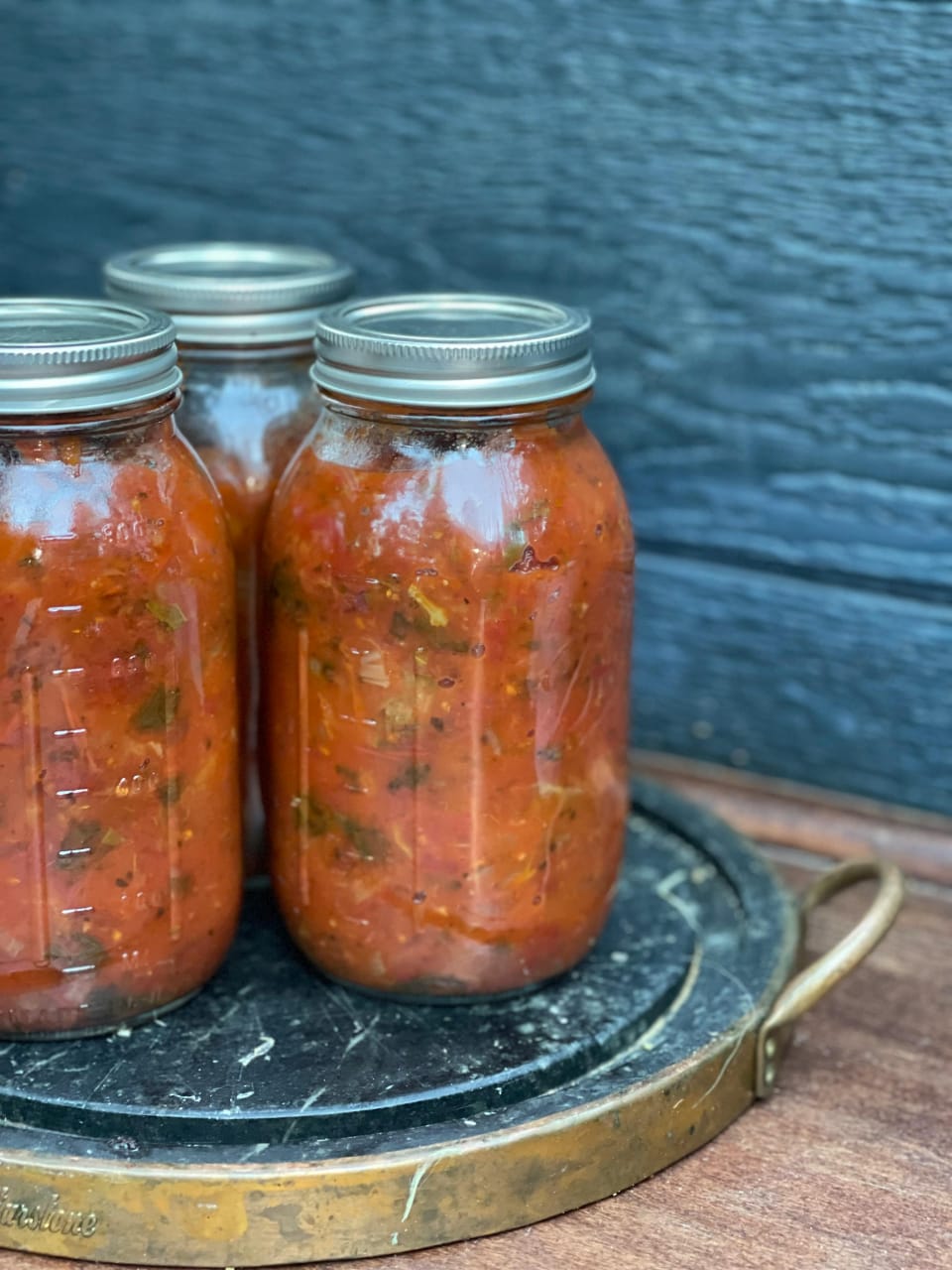
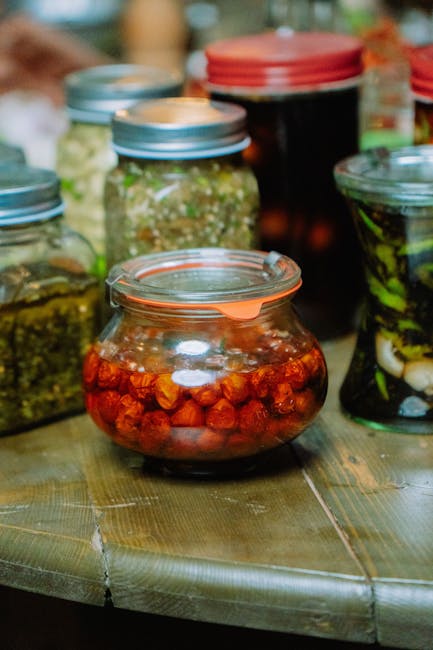
Open any South African pantry that belongs to someone who learned to cook from their ouma, their gogo, or their tannie, and you’ll likely find a shelf of jars. Jewel-bright rows of preserved fruit, konfyt thick with syrup, or perhaps a carefully sealed bottle of peaches in sugar. It doesn’t matter which community, which language, or which corner of this vast and beautiful country — the tradition of preserving fruit runs through the heart of South African home cooking like a river through a valley.
We are, after all, the Rainbow Nation. And that rainbow didn’t just colour our flag — it flavoured our food. The way South Africans have preserved fruit across centuries is not one story, but many — layered, rich, and deeply rooted in the people who have called this land home.
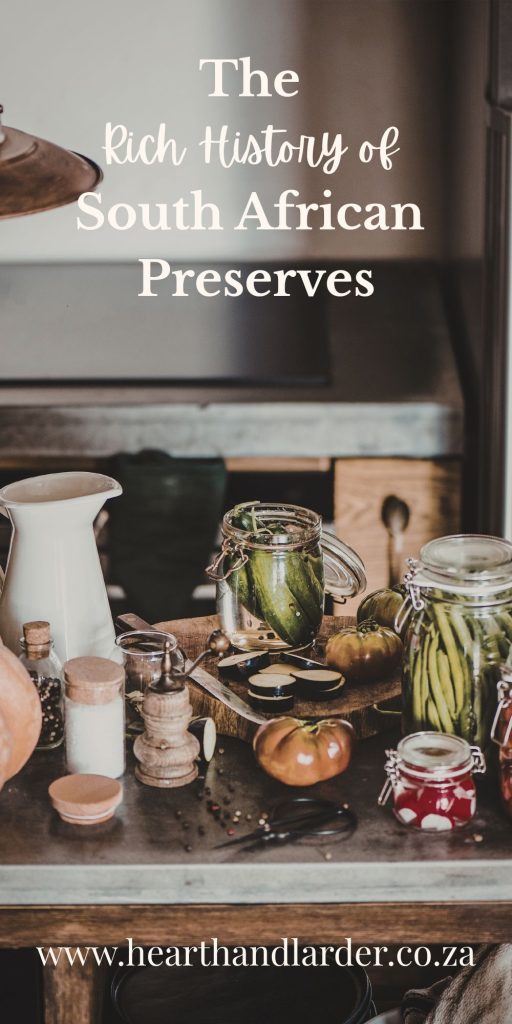
Every jar on that pantry shelf tells the story of someone who came before — who grew, gathered, cooked, and cared enough to put something aside for another day.
Before the Jar: Indigenous Knowledge and the Land
Long before glass jars or sugar syrup, the indigenous peoples of southern Africa — the San and Khoikhoi — were already skilled at reading the land and working with what it offered. Sun-drying was one of the oldest and most practical methods available. Fruit dried slowly in the open air loses its moisture but keeps its sweetness, becoming shelf-stable for months without any additional ingredients at all.
The Bantu-speaking peoples who cultivated the land — including the Zulu, Xhosa, Sotho, and Tswana — understood preservation as part of the rhythm of the seasons. Morogo, a leafy wild plant, was traditionally dried in small lumps for extended shelf life. Sorghum was fermented to make ting and umqombothi, a form of preservation through transformation — one of the most ancient food techniques known to humanity. Marula fruit, that golden treasure of the Limpopo bushveld, was processed into jams, wine, and beer, with many communities depending on it as both sustenance and a source of income.
This was preservation not as a hobby but as wisdom — the deep, practical knowledge of people who understood that today’s harvest feeds tomorrow’s family.
The Voortrekkers and the Art of Boerekos
When the Dutch settlers arrived at the Cape in the 17th century, they brought with them a European tradition of farming and food storage. But it was their descendants — the Voortrekkers who struck out into the vast interior of southern Africa — who truly made preservation a cornerstone of survival.
With no refrigeration, no access to town markets, and months of uncertain travel ahead, the Voortrekkers needed food that would last. The open wagon and the cast-iron pot became their kitchen, and necessity became the mother of extraordinary culinary invention. They gave us biltong — air-dried, spiced meat that could last for months in the heat of the highveld. But they also gave us something sweeter.
Konfyt — the Afrikaans word for jam or preserve, thought to come from the French confiture — became one of the most beloved expressions of Afrikaner farm culture. On the great wheat and fruit farms of the Western Cape and the Boland, no fruit went to waste. Watermelon rinds were soaked in limewater and then simmered slowly in sugar syrup spiced with cinnamon and ginger. Green figs were steeped until they turned translucent and jewel-like. Quinces, naartjies, guavas, and prickly pears were all turned into gleaming preserves to be eaten with roosterkoek baked over coals, or spooned over pudding on a winter’s evening.
These were the tastes of the farm kitchen — hearty, generous, and made with the kind of patient love that is only possible when you are cooking not just for today, but for the season ahead.
The Cape Malay Legacy: Spice, Memory, and Resilience
Perhaps no chapter in South Africa’s food history is more moving — or more complex — than that of the Cape Malay community. In the 1600s, the Dutch East India Company brought enslaved people to the Cape from Indonesia, Malaysia, India, Madagascar, and East Africa. These men and women arrived with nothing but what they carried inside themselves: language, faith, and an extraordinary depth of culinary knowledge.
The enslaved women who cooked for Dutch households had to be quietly inventive. Their ancestral recipes, fragrant with chilli, tamarind, and bold Eastern spices, had to be softened and adapted for the European palate. Paprika replaced chilli. Spice blends were recalibrated. And in this quiet act of adaptation, one of the world’s great fusion cuisines was born — a cuisine that Cape Malay scholars and chefs today speak of with enormous pride.
Preservation was woven into this tradition too. Atjar — the piquant pickled fruit and vegetable condiment rooted in Southeast Asian cuisine — became a staple of South African tables across all communities. Blatjang, a sweet apricot chutney, found its way into pantries from Cape Town to the Karoo. Sweet-sour, spiced, and vibrant, these preserves reflected a people who had found a way to hold onto the flavours of home — and make something entirely new in the process.
The Cape Malay tradition teaches us something profound: that food is an act of memory. Every jar of atjar, every pot of konfyt made with spices brought from far away, was a quiet declaration that a culture could not be erased — only transformed.
The British Influence: Bottling and the Farmhouse Pantry
When the British arrived in the late 18th and early 19th centuries, they brought with them the tradition of bottling fruit — the practice of cooking fruit and sealing it into airtight glass jars to preserve it through the seasons. This was familiar territory in Britain, where bottled plums and gooseberries were pantry staples, but in South Africa’s warm, fruit-abundant climate, the practice truly flourished.
The British settler farmwife with her Kilner jars and her careful rows of bottled peaches and pears became a fixture of rural South African life, her methods mingling naturally with the konfyt traditions of her Afrikaner neighbours and the atjar recipes she may have tasted at a Cape Malay table. South African farmhouse preserving became a genuinely collaborative art — each community influencing the next, each family adding its own quiet variation.
It’s worth remembering that Mrs. H.S. Ball’s Chutney — arguably the most beloved condiment in South Africa today — was born from this tradition. Originally a home recipe, it reflects the sweet-tart, fruit-forward style of preserving that crosses all cultural boundaries in this country.
Sun, Wind, and the Art of Drying
South Africa’s climate has always made it a natural paradise for drying fruit. The long, dry summers of the Western Cape — particularly the Hex River Valley and the areas around Montagu and Ceres — created ideal conditions for producing some of the world’s finest dried fruit. Apricots, peaches, raisins, prunes, and figs spread out on drying racks under a generous sun became a way of life for farming communities.
The Afrikaner tradition of gedroogde vrugte — dried fruit — is deeply embedded in farm culture. Spiced sun-dried peaches stewed slowly with cinnamon, cloves, and sugar were a feature of the farm table for generations. Raisins from hanepoot grapes — fat, golden Muscat grapes from the Boland — were eaten as a snack, stirred into rice dishes, and baked into mosbolletjies and rusks. Nothing was wasted. Everything had its season, and its second life.
This is perhaps the truest expression of homesteading wisdom: the understanding that the sun can do what no machine can, that patience is its own kind of ingredient, and that the best things are worth waiting for.
A Rainbow of Preserving Traditions — All at One Table
What makes South African preserving culture so remarkable is not any single tradition, but the way these traditions have always lived alongside one another, borrowing and giving in equal measure. A recipe shared over a farm fence. A jar passed between neighbours at Christmas. A grandmother’s konfyt method that somehow contains, if you trace it back far enough, a little Dutch, a little French, a little Malay, and a great deal of love.
Today, when a South African family opens a jar of green fig preserve or stirs a pot of apricot jam, they are participating in something that stretches back centuries and crosses every cultural boundary this country has ever drawn. The jar doesn’t know about those boundaries. It only knows the fruit, the sugar, the warmth of the stove, and the hands that made it.
Preservation is, at its heart, an act of hope — a belief that what is good right now is worth saving, worth sharing, worth passing on.
Ready to start your own preserving tradition?
At Hearth & Larder, our canning and preserving kits come with everything you need — the tools, the jars, and a friendly step-by-step guide that makes the whole process feel as simple and satisfying as it should be.
→ Explore our Preserving Kits
Whether your family heritage is rooted in the Cape Malay tradition, the Afrikaner farm kitchen, or something entirely your own — there is a jar waiting to be filled. A story waiting to be sealed. A tradition waiting to be started.
All it takes is fruit, a little patience, and the willingness to begin. What is the first thing you would like to learn to preserve for your family? Let me know in the comments!
With warmth,
Marlé