There is a particular quality to the light in April on the highveld. It turns golden earlier in the afternoon. The mornings carry a sharpness that was not there in February. The days are still warm, but the evenings remind you that something is shifting. Summer is closing up. Winter is on its way.
And your kitchen has a job to do.
April and May are arguably the most important months in the South African homemaking calendar. They sit right at the threshold between the abundance of summer and the leaner, colder months ahead. The produce available right now — figs, quinces, pears, pumpkins, butternut, beetroot, guavas, pomegranates, the last of the tomatoes and peppers — is at its seasonal peak. It is abundant. It is affordable. And it will not be here for long.
The women who understood this — our grandmothers, their mothers before them — used this season with intention. They preserved, they bottled, they dried, they stocked. And when winter came, their families ate well because of what was done in autumn.
This post is your guide to doing exactly that. Here is what to do in your kitchen right now, before the season turns.
Why Autumn Is Your Most Important Kitchen Season
Most of us think of spring as the time of renewal and summer as the time of abundance. And they are. But for the kitchen, autumn is the season that matters most.
Here is why: everything that is available in abundance right now can be preserved to feed your family through the winter months when prices are higher and fresh produce is scarcer. The fig that costs almost nothing at the farm stall today will be completely unavailable — or imported and expensive — by July. The box of quinces from your neighbour’s tree costs next to nothing to turn into quince jelly that will last a full year on your shelf.
Autumn is also when the warming foods come into season — the pumpkins, butternuts, sweet potatoes and root vegetables that form the backbone of winter cooking. These store well in cool, dark conditions without any preserving at all. Stocking up now means your winter meals are already half-planned.
And practically speaking: seasonal produce is at its cheapest and most nutritious right now. Buying and preserving in season is one of the most powerful ways to stretch your grocery budget across the whole year. We explored this in detail in our pantry post, but the principle comes alive most clearly in autumn.
What Is in Season Right Now (April–May, South Africa)
Here is your seasonal guide for the highveld and most of South Africa’s interior in April and May. Coastal regions may vary slightly.
Fruit in Season:
Figs, quinces, pears, apples, guavas, pomegranates, passion fruit, the first naartjies, bananas and papaya. The last of the stone fruit is finishing up — use any remaining peaches or nectarines immediately for jam or bottling.
Vegetables in Season:
Pumpkin, butternut squash, sweet potato, beetroot, broccoli, cauliflower, leeks, cabbage, spinach, Swiss chard, green beans, peppers, chillies, brinjal (aubergine) and the very last of the summer tomatoes.
Herbs:
Thyme, parsley, marjoram and mint are still going strong. This is also a good time to dry herbs before the winter cold slows growth. Rosemary and sage are coming into their best season now.
Buy what is cheap and abundant at your local market or farm stall. These are the ingredients your kitchen needs to work with this month. Our herb preservation kit walks with you step-by-step showing you the way.
What to Preserve This Autumn
Preserving is simply the art of capturing something at its best so that you can use it when it is no longer available. You do not need to do everything on this list — choose two or three that feel achievable and start there.
Fig Jam
Figs are at their peak in April and are one of the most forgiving fruits to preserve. A simple fig jam requires only figs, sugar, lemon juice and time. It keeps for up to a year sealed in sterilised jars and is extraordinary on fresh bread, with cheese, stirred into a tagine or given as a gift. If you have never made jam before, this is the one to start with.
Quince Jelly or Quince Paste
Quinces are one of the most underused fruits in the South African kitchen, and one of the most rewarding to preserve. Their natural pectin means they set beautifully without additives. Quince jelly has a deep rose-gold colour and a complex, floral flavour that is unlike anything you can buy. Quince paste — firm enough to slice and serve with cheese — keeps for months wrapped in wax paper. If you can find quinces (check farm stalls, neighbours’ trees and Afrikaner family gardens), use them.
Bottled Pears
Pears preserve beautifully in a light syrup and are wonderful in winter — served warm with custard, alongside pork, or eaten straight from the jar with a spoon on a cold evening. Use slightly firm pears rather than fully ripe ones for bottling. Our canning kit walks you through the full process, step by step.
Tomato Passata or Relish
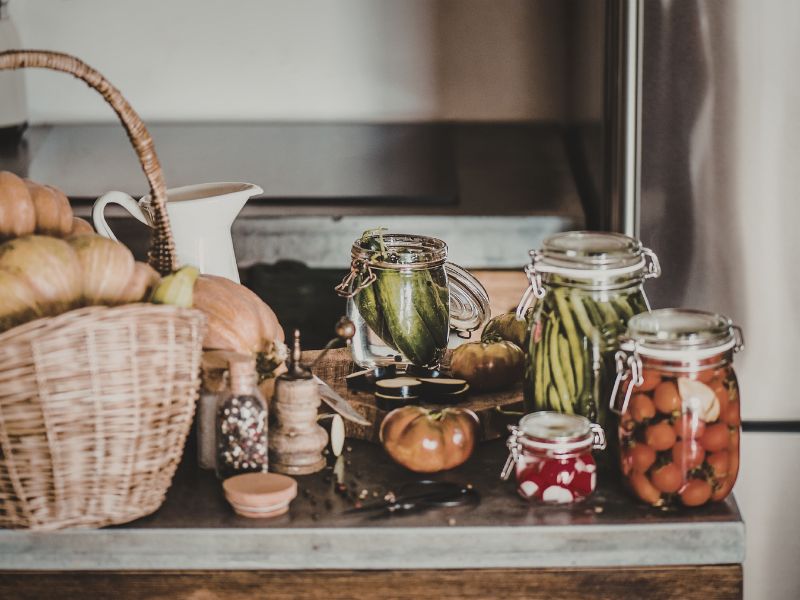
The last of the summer tomatoes are in the shops and at the markets right now, and they are ripe, sweet and cheap. This is your window. Roast them down into a rich passata — seasoned simply with garlic, basil and salt — and bottle it for use through winter. Or make a spiced tomato relish that will sit on your shelf for a year and make everything from braai to eggs to stews more interesting. Once the tomatoes go, you will be buying expensive, watery canned versions all winter. Do not miss this window.
Dried Chillies and Peppers
If you have chillies or peppers in your garden or can buy them cheaply, now is the time to dry them. String fresh chillies and hang them in a warm, dry spot. Dried chillies last indefinitely and add enormous depth to winter soups, stews and sauces.
Pickled Beetroot
Beetroot is in season and at its sweetest right now. Pickled beetroot is one of the easiest preserves to make — a simple brine of vinegar, sugar, salt and spices — and it is a staple of the South African kitchen. Serve it alongside almost anything, or give a few jars away as gifts.
What to Cook Right Now
Beyond preserving, autumn is a time to lean into warming, nourishing cooking that feeds your family deeply and uses what is cheapest and best.
Pumpkin and Butternut
These are your workhorses for the next six months. Roast them in big batches and use them across multiple meals — as a soup base, stirred through pasta, mashed as a side, or added to a curry. A whole butternut roasted with olive oil and a pinch of cinnamon is one of the simplest and most satisfying things you can make. Buy extra and store uncut pumpkins in a cool, dark spot — they keep for months without refrigeration.
Slow-Cooked Stews and Soups
Autumn is soup season in South Africa, and your kitchen should reflect that. A big pot of vegetable soup made from seasonal produce — butternut, sweet potato, leeks, carrots and any broth you have on hand — costs almost nothing and feeds a family generously. Make a double batch, freeze half, and you have a meal already done for a busy week ahead.
Bone Broth
If you cook meat at home, do not throw away the bones. Now that the weather is cooling, bone broth season begins in earnest. A slow-simmered broth from chicken carcasses or beef bones is extraordinarily nourishing, deeply flavourful, and costs almost nothing to make. Use it as the base for soups and stews through winter. Store it in jars in the fridge for up to a week or freeze in portions.
Baking
The cooler mornings of April and May are exactly when the oven should come back into regular use. Bread, rusks, fruit crumbles, apple cake with the first of the season’s apples — this is the time to bake with intention. A Saturday morning spent baking with your children is one of the great pleasures of the autumn kitchen, and the output feeds your family for the week.
What to Stock Before Winter Arrives
Use the next few weeks to make sure your pantry is ready for winter. Think of it as a pre-season check.
- Top up your foundation staples — flour, rice, maize meal, oats, dried lentils, beans and sugar. These will all be needed heavily through winter cooking and baking.
- Stock your spices. The warming spices that define winter food — cinnamon, ginger, nutmeg, cloves, cardamom, cumin and coriander — should be fresh and fully stocked before you need them. Buy whole spices where possible and grind them yourself for the best flavour.
- Add dried fruit to your stores. Raisins, currants, apricots and prunes are the flavour base for dozens of winter recipes — from bobotie to malva pudding to fruit cake. Buy when they are on special and store in airtight containers.
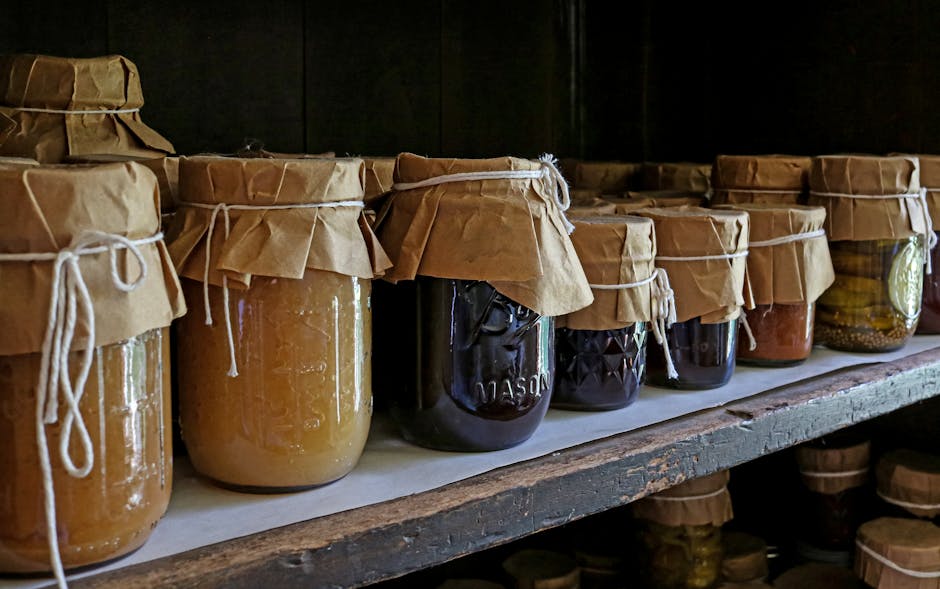
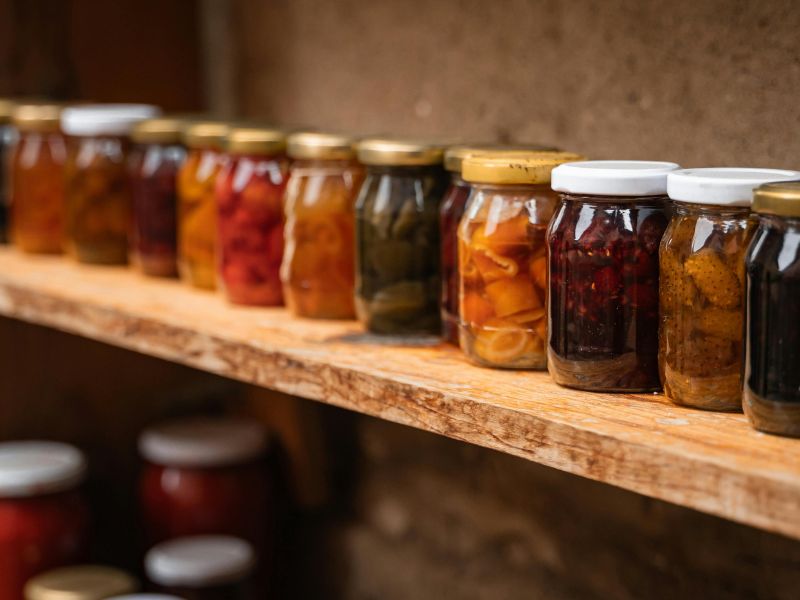
- Build your preservation shelf. Every jar you make this autumn is a meal you do not have to buy in winter. Even ten jars of various preserves — a few of jam, a few of pickles, a few of relish — makes a meaningful difference to your kitchen’s independence and your grocery budget.
A Word on Urgency
I want to say something directly: this window is short. By June, the figs are gone. The quinces have passed. The cheap tomatoes are finished. The abundance of autumn will have moved on and winter will have arrived with its own produce — good, but different.
The homemaker who acts in April is the one whose family eats well in July. Not because she did something extraordinary, but because she paid attention to the season she was in and used it wisely.
You do not need to do everything. You need to do something. Pick one preserve to make this weekend. Visit a farm stall before the end of April. Put one extra pumpkin in the corner of your garage. Dry a bunch of herbs from your garden.
Small, intentional acts. Every one of them counts.
Your Monthly Guide to What Needs to Happen
If you want a guide that walks you through what needs to happen in your kitchen and home every single month — not just in autumn but all year round — The Homemaker’s Almanac is exactly that. It is a monthly subscription publication built for the South African home, grounded in our seasons and our rhythms, and written for the mom who wants to do things with intention but needs a little help knowing where to start.
And if you are ready to start preserving but are not sure where to begin, our canning and preservation kits come with everything you need — the tools, the jars, the step-by-step instructions, and the confidence to do it yourself. No experience necessary.
Visit our shop to explore the full range.
The Season Is Here
Open your windows. Feel the change in the air. And then head to the kitchen, because autumn in South Africa is one of the most beautiful and productive seasons a homemaker can step into.
Use it well.
With Warmth,
Marlé