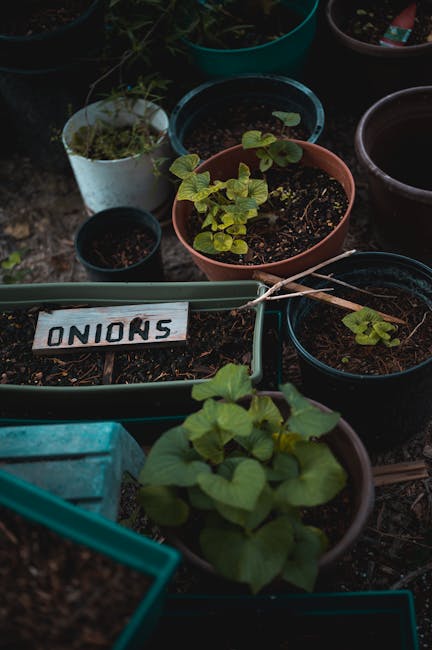
There is a particular thinning that happens in a well-used larder around August.
The summer preserves have been eaten through. The frozen tomatoes are almost gone. The
kitchen garden is producing, but slowly, in the cautious way that late-winter plants do.
And you stand in front of the shelves and feel it — not quite scarcity, but the edges of it.
The possibility of an empty shelf.
This is the Hungry Gap: that stretch of weeks between the last of winter’s stored
abundance and the first true abundance of spring. It is not unique to South Africa — the
British have a name for it (the same one), as did traditional farming communities across
the world before refrigeration made it easier to ignore.
May is when the strategic homemaker plants against it.
Understanding the Hungry Gap in the Southern Hemisphere
In South Africa’s Southern Hemisphere growing calendar, the Hungry Gap most
commonly falls in August and September — after the preserves of late summer and
autumn have been worked through, and before the new season’s warmth triggers proper
spring harvests.
The planning window to prevent it is right now, in May. What you plant in May — the
cold-hardy brassicas, the overwintering root crops, the greens that handle frost — is
what bridges that gap.
Depending on your region, you’ll need to adapt: the Western Cape and high-altitude
interior can be cold enough to make outdoor brassica growing necessary under cloches,
while KwaZulu-Natal and the Lowveld can grow year-round with different constraints.
This guide works from the principle; adjust for your climate.
What to Plant in May: The Hungry Gap Crops
Brassicas: Your Most Important May Crops
The Brassica family — kale, broccoli raab (rapini), purple sprouting broccoli, cabbage,
and kohlrabi — are the workhorses of the winter-to-spring bridge. They handle frost
well, they continue growing slowly through cold conditions, and they are harvestable
over an extended window rather than all at once.
- Kale (especially Tuscan kale / cavolo nero): Hardy to several degrees below zero,
harvestable leaf by leaf over months. May planting gives you August–October
harvests. Cut the lower leaves and the plant continues producing. - Purple sprouting broccoli: Planted in May, it produces small tender florets from
August onwards. Slower than heading broccoli but more forgiving and extending
your harvest window. - Cabbage (winter varieties): Slow-growing but store well on the plant. A May-
planted heading cabbage is ready in July–August and can be left in the ground
until needed. - Kohlrabi: Fast for a brassica (6–8 weeks to harvest). Can be succession-planted
through May and June for a steady supply.
Hardy Greens for Continuous Harvest
- Spinach and silverbeet: Both are cold-tolerant and produce through winter in
most South African climates. Plant in May for harvest within 6 weeks and
continuous picking thereafter. - Chard: Slower than spinach but more robust. Colourful stems and large leaves
make it a productive and decorative addition to the winter garden. - Asian greens (pak choi, tatsoi, mizuna): Fast-growing, cold-tolerant, and ready in
as little as 25–30 days. Ideal for filling gaps between slower crops.
Root Crops: Slow but Reliable
- Turnips: Often overlooked, but an excellent winter crop. Edible both as greens
(turnip tops are delicious wilted with garlic) and as roots. Ready in 6–8 weeks. - Beetroot: Slower in winter but reliable. May-planted beetroot is ready
August–September, right in the Hungry Gap window. - Winter radish (daikon, black Spanish): These are larger, longer-storing radishes
that prefer cold weather. Plant now for a winter pantry staple.
Soil Health in May: Insulating What Lives Underground
This is the part of May gardening that doesn’t produce immediate visible results, but is
perhaps the most important investment you can make.
Your soil is not just dirt — it is a living ecosystem of bacteria, fungi, nematodes,
earthworms, and microarthropods that are responsible for converting organic matter
into plant-available nutrients. Cold temperatures slow this microbial activity
significantly. Frost can damage or destroy it.
A layer of mulch — compost, straw, or wood chip — applied over your beds in May acts
as a thermal insulator. It buffers the soil from extreme temperature fluctuations, keeps
the microbial community active at lower temperatures, retains moisture, and provides
slow organic matter input as it breaks down.
The May Mulch Rule
Apply a layer of 5–8cm of organic mulch (straw, compost, or shredded leaves) to all empty
and planted beds before the first hard frost. You are not just covering soil — you are keeping
the invisible workforce alive through winter so the garden is ready to explode in spring
May: The Month the Kitchen Never Goes Empty
There is a particular satisfaction in the knowledge that you have planned ahead. The
kale seedlings in the seed tray represent August meals. The mulched beds represent a
soil community that will be thriving when you need it most. The winter radishes going in
this week will be a pantry staple in July.
The Hungry Gap is not inevitable. It is the consequence of planning only for the season
you’re in, rather than for the season that follows it. May planting is the most direct act of
household resilience available to the home gardener — requiring no special tools, no
significant cost, just the discipline of thinking two seasons ahead.
The Hungry Gap falls in August–September in South Africa. May is your planning and
planting window to prevent it. Brassicas, hardy greens, and root crops planted now will
harvest through winter. Mulching your beds in May insulates the soil microbial community
that powers your spring garden.
With warmth,
Marlé
→ Related: The FIFO Audit: Managing Your Winter Larder
→ Related: Preserving the Autumn Harvest Before the Gap Arrives
→ Related: The Homemaker’s Almanac — May Issue: The Winter Kitchen