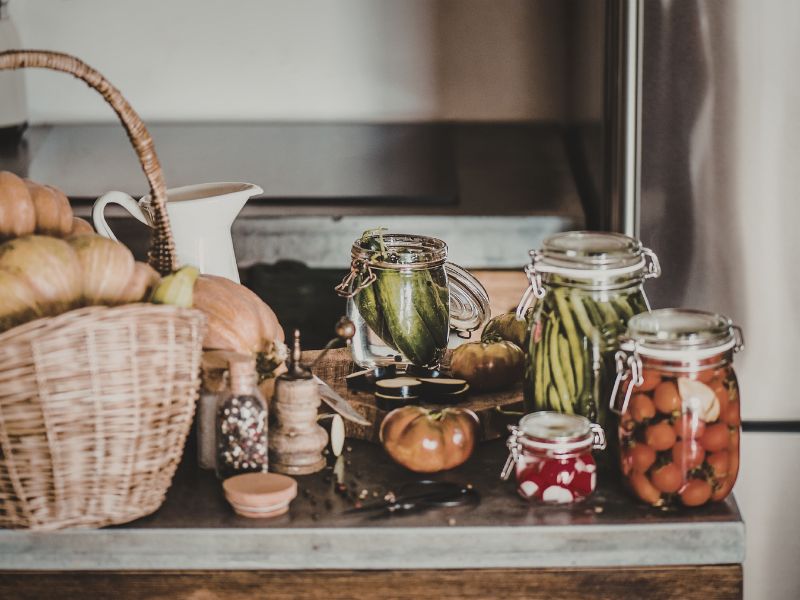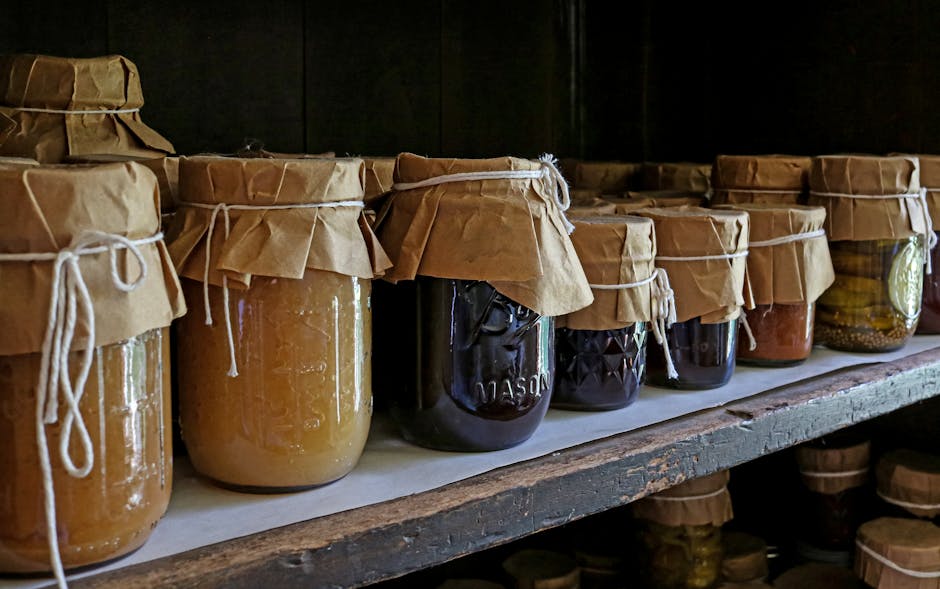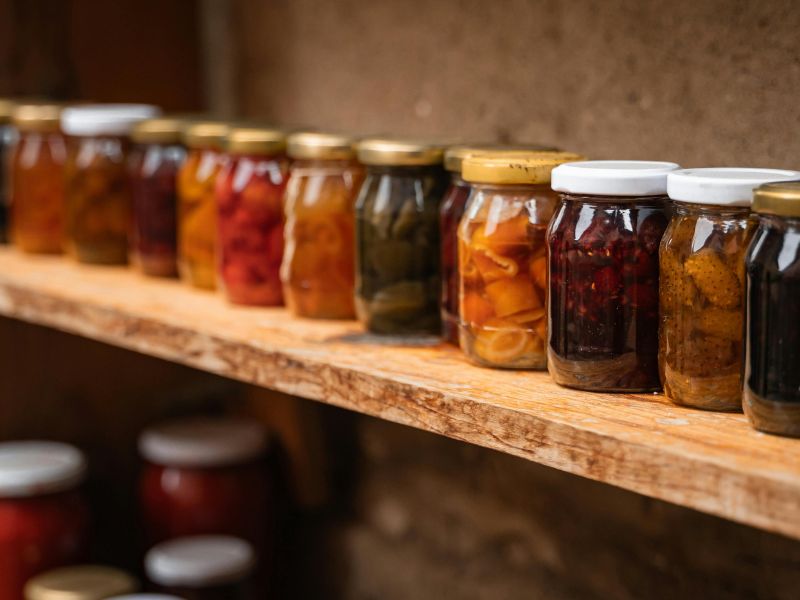
There is a particular kind of quiet shame that comes from opening a jar of peach
preserve you made two summers ago. The lid seal is intact. The colour has faded to
something a little sad. You remember the afternoon you made it — the steam, the
satisfaction, the careful row of jars lined up on the counter. And yet, here it is, at the
back of the shelf, untouched.
This is what I call the Lost Jar problem. And if you’ve been preserving, storing, or batch-
cooking for any length of time, you’ve met it.
The good news is that it isn’t a willpower problem. It isn’t even an organisation problem
in the traditional sense. It’s a systems problem — and systems can be fixed.
Why FIFO Belongs in Your Kitchen, Not Just in a Warehouse
FIFO — First In, First Out — is the stock rotation principle used in professional
kitchens, food manufacturing, and cold storage facilities worldwide. The idea is elegant
in its simplicity: whatever entered storage first should leave storage first. Newest items
go to the back. Oldest items move to the front.
Commercial food operations can’t afford waste. Interestingly, neither can we. When you
spend an afternoon canning tomatoes, you’re investing time, energy, produce cost, and
effort. A jar that expires on a shelf is all of that written off.
The difference between a larder that feeds your family richly and a larder that quietly
accumulates waste is almost always a rotation habit — and a way of knowing what you
have.
Introducing the Larder Pulse Method
At Hearth & Larder, we work with what we call the Larder Pulse — a simple
categorisation and review cycle that keeps your stored goods actively circulating rather
than silently collecting.
The Larder Pulse works across four storage categories:
The Four Larder Categories
Dry Goods (grains, flours, pulses, pasta, tea, spices) | Canned & Bottled (home preserves,
commercially tinned goods) | Fermented (live cultures, krauts, kimchi, kombucha, ginger
beer) | Frozen (batch cooked meals, blanched vegetables, preserved fruit, meat)
Each category has a different rotation rhythm. Dry goods might be reviewed monthly.
Fermented goods require a weekly eye. Frozen items benefit from a physical list on the
outside of the freezer door. Canned and bottled preserves — the ones most prone to the
Lost Jar problem — need the most deliberate attention.
Pulse Step 1: Categorise Before You Store
Before a new item enters the larder, it gets assigned a category and a location. In
practice this means: jams and preserves live on Shelf 2. Dried pulses live in the labelled
tins on the counter. Ferments live on the cooler bottom shelf. Frozen batch meals are in
labelled bags on the left side of the freezer.
The physical grouping matters because it makes the FIFO rotation intuitive. You can’t
rotate what you can’t find.
Pulse Step 2: Label with the ‘Made On’ and ‘Use By’ Date
Every jar, bag, or container that enters your larder should carry two pieces of
information: when it was made or opened, and when it needs to be used by. For home
preserves, a good general guide is 12 months for high-acid items like jams and pickles,
and 18 months for properly sealed low-acid goods processed in a pressure canner.
However, always defer to your tested recipe’s recommendation — and when in doubt,
use it up.
A masking tape label and a permanent marker is all you need. The habit is more
important than the tool.
Pulse Step 3: Newest to the Back, Always
When new preserves come off the stove, they go behind the existing jars. Full stop. This
single physical habit is the backbone of FIFO in a home larder. It takes about 30 seconds
extra during the canning process, and it prevents years of quiet waste.
Pulse Step 4: The Monthly Audit
Once a month — the first Saturday morning, or whenever you do your main grocery
shop — walk your four categories. Pull everything forward. Read the dates. Make a
mental or physical note of anything that needs to be used in the next 30 days and plan it
into your meals.
This is not a chore. This is a five-minute conversation with your larder. And once you
begin doing it, it fundamentally changes how you cook — because suddenly you are
cooking from your stores rather than shopping around them.
The Larder Pulse Audit Sheet
Download the free Hearth & Larder Larder Pantry Audit Sheet. It’s designed to
track your four categories with columns for Item Name, Date Made/Stored, Use By
Date, Current Quantity, and a ‘Flagged for Use’ tick box.
Print it out, fold it in half, and tuck it inside your pantry door. Use it for one month and
see what it does to your grocery bill.
A Well-Managed Larder is an Active Larder
There’s a quiet satisfaction that comes from a larder that flows. Not just one that is full,
but one that is used — where this week’s soup drew on last autumn’s tomatoes, where
the breakfast yoghurt is topped with jam made from June’s stone fruit. This is the larder
as a living part of the household economy, not a museum of good intentions.
FIFO isn’t glamorous. It doesn’t require a Pinterest-perfect pantry or colour-coded
labels (though those are lovely). It just requires a habit of rotation and a monthly check-
in.
Start with five minutes this weekend. Pull everything forward. Read the dates. Cook
from what you find. That is where a well-managed home begins.
With Warmth
Marlé